
Holiday Payment Scams: Protect Yourself Online
- December 11, 2025
- Cybersecurity, Data Protection, E-Commerce, Online Safety, Security, Social Media Trends, Technology, Web Development
Table of Contents
Digital fraud and payment scams are surging, especially around the holidays when more people shop online and spend quickly. Smart Website Development and secure Website Design help reduce these risks by making it easier to spot safe checkouts, trust signals, and clear contact details. With a few simple habits, shoppers and small businesses can reduce their risk and keep digital payments safer while still enjoying a fast, user-friendly experience supported by strong Website Speed Optimization.
What Is Digital Payment Fraud?
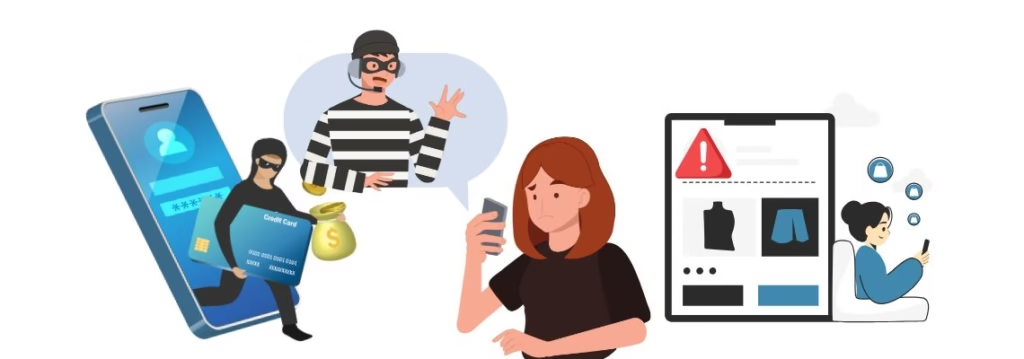
Digital payment fraud happens when criminals steal money or payment details through cards, banking apps, e‑wallets, or online checkouts. It includes direct theft, tricking people into sending money, or abusing refund and chargeback systems.
Common methods include card‑not‑present fraud, account takeover, phishing links, fake shops, and synthetic identities that blend real and fake data. Fraud spikes during peak seasons like Black Friday and Christmas, when traffic is high and people rush purchases.
For more on how payments are evolving and where secure experiences fit into Digital Marketing and Search Engine Optimization, visit: “Future of Digital Payments”.
Digital fraud and payment scams are surging, especially around the holidays when more people shop online and spend quickly. Smart Website Development and secure Website Design help reduce these risks by making it easier to spot safe checkouts, trust signals, and clear contact details. With a few simple habits, shoppers and small businesses can reduce their risk and keep digital payments safer while still enjoying a fast, user-friendly experience supported by strong Website Speed Optimization.
Holiday Scam Tactics To Watch
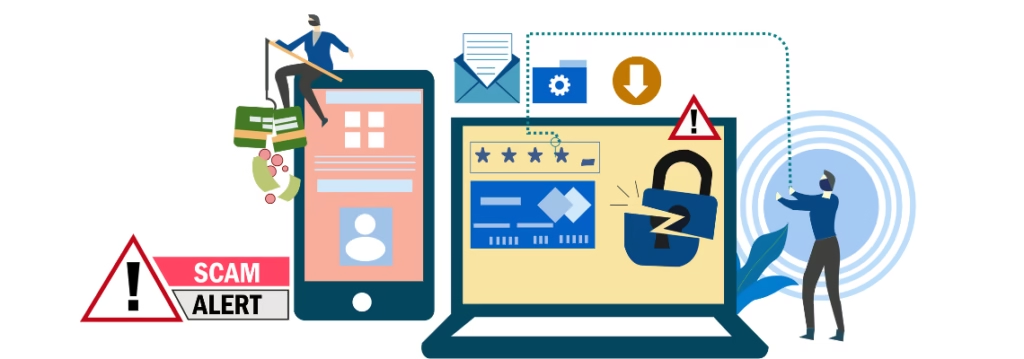
During Q4, fraudsters lean heavily on urgency, discounts, and fake confirmations to push people into fast, unsafe payments. Popular scams include:
- Fake online stores and social media shops that disappear after you pay or send your details, often using poor Graphic Design, low‑quality images, or poorly built Website Development as early red flags.
- Phishing via email, SMS, and chat claiming delivery issues, gift‑card deals, or “verification” for banking and wallets.
- Account takeover (ATO), where stolen credentials are used to drain stored cards and rewards balances.
- Card testing and small test charges before bigger unauthorized purchases.
To stay safe this Holiday season, “Cybersecurity is Leadership: Beyond the IT Department” shares non-technical vulnerabilities and how to fix/prevent them..
How Is Ethical AI Built?
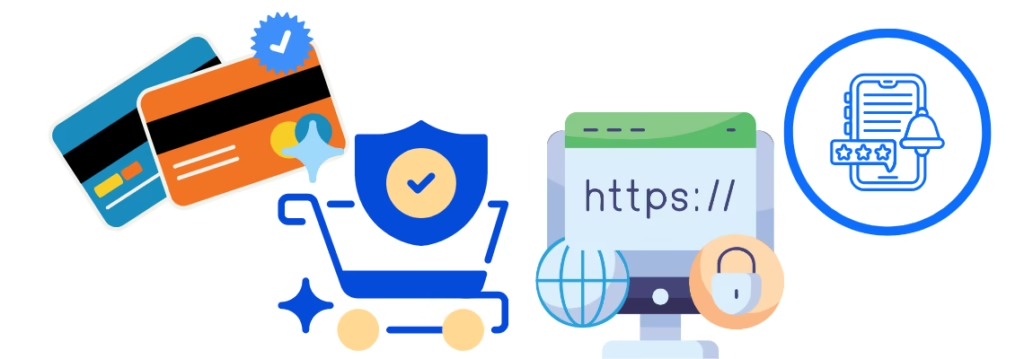
A few simple rules make a big difference during holiday shopping.
- Prefer credit cards or trusted payment platforms over wiring money, direct bank transfers, or gift cards to unknown sellers.
- Type URLs yourself or use bookmarks; avoid clicking payment links from unsolicited messages.
- Turn on multi‑factor authentication (MFA/2FA) for banking apps, e‑wallets, and marketplaces.
- Monitor statements and app notifications so you can spot small test charges early.
- For merchants, increase fraud monitoring and rules from mid‑November through year‑end, and make sure your Website Development includes SSL, clear trust badges, and optimized Website Speed Optimization so security and performance work together.
You can also use Graphic Design and Video Editing to create simple explainer content for your Digital Marketing campaigns, teaching customers how to recognize fake sites, unsafe payment requests, and phishing messages. Well‑designed pages, strong visuals, and clear UX are part of both Website Design and scam prevention, because they build instant trust and reduce confusion at checkout.
What To Do If You’re a Victim
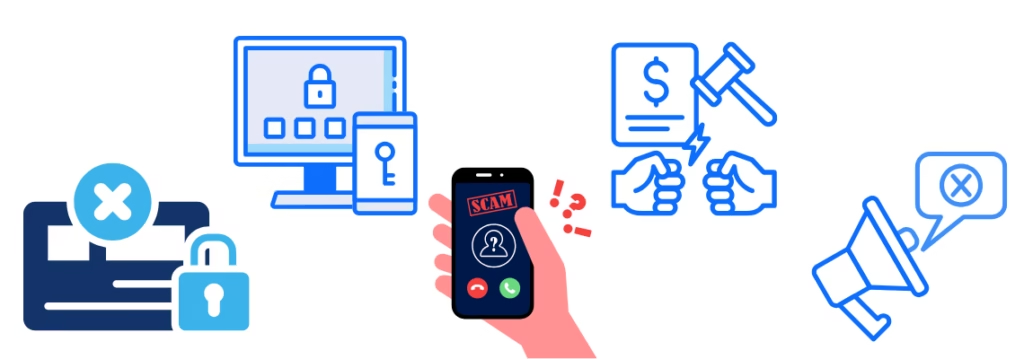
Fast action limits damage and improves your chances of getting money back.
- Immediately lock or freeze your card in the banking app and contact your bank or issuer.
- Change passwords and enable MFA on all affected accounts, especially email and banking.
- Dispute unauthorized charges quickly and follow your bank’s fraud reporting steps.
- If the scam involved fake merchants or social shops, report pages and listings to the platform.
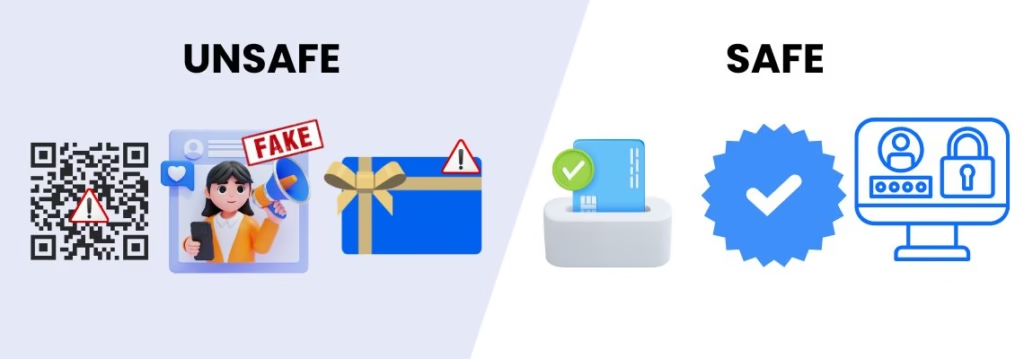
Table of Contents
Recent Posts
We’ve answered all your questions
Holiday Payment Scams: Protect Yourself Online
What are the most common digital payment scams right now?
The most common types include card‑not‑present fraud, phishing and smishing, account takeover, fake online stores, and synthetic identity fraud used to open accounts or credit lines.
Is it safer to use a credit card or debit card online?
Credit cards generally offer better dispute and chargeback protections, which can help you recover funds if a transaction is fraudulent.
Are QR code payments safe?
They can be safe when generated by trusted merchants or banks, but scammers sometimes replace codes or send fake ones that point to rogue sites or wallets, so always verify the source.
How can small businesses reduce holiday fraud risk?
They can enable MFA for admin accounts, use modern fraud tools, tighten rules during peak sales days, and watch for unusual patterns like many small attempts from the same IP or card range, while also investing in trustworthy Website Design and clear trust signals on their checkout pages.