
Ethics in AI: Transparency, Bias, and Trust
- December 10, 2025
- AI Ethics, Artificial Intelligence (AI), Responsible AI, Technology, WordPress Tips
Table of Contents
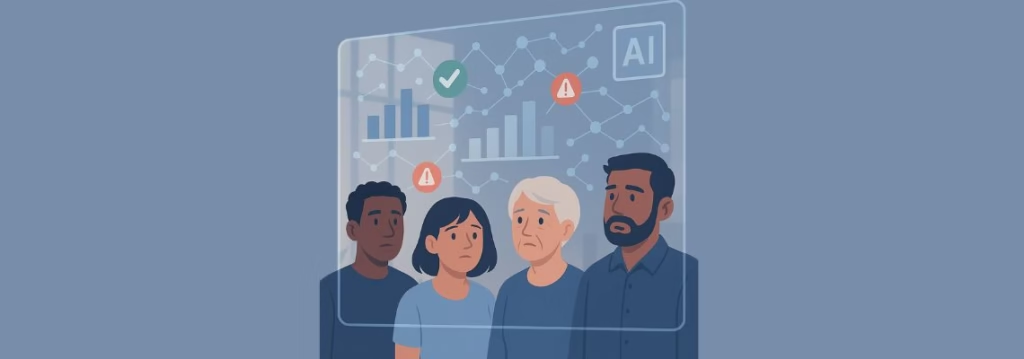
Artificial Intelligence (AI) is changing how we work, shop, and live. From smart assistants to medical diagnostics, AI is everywhere. But as these “thinking” machines make more decisions, we must ask: Are they always fair, transparent, and trustworthy?
Why Ethics in AI Matters
AI systems, powered by data and algorithms, are built to be efficient. Sometimes, this efficiency can lead to unintended mistakes, unfair decisions, or lack of clarity. Ethics in AI means building machine systems we can trust, not just for their intelligence, but for their fairness, openness, and respect for people. Just as businesses rely on Search Engine Optimization and Website Speed Optimization to build credible online experiences, AI must be designed with ethics at its core.

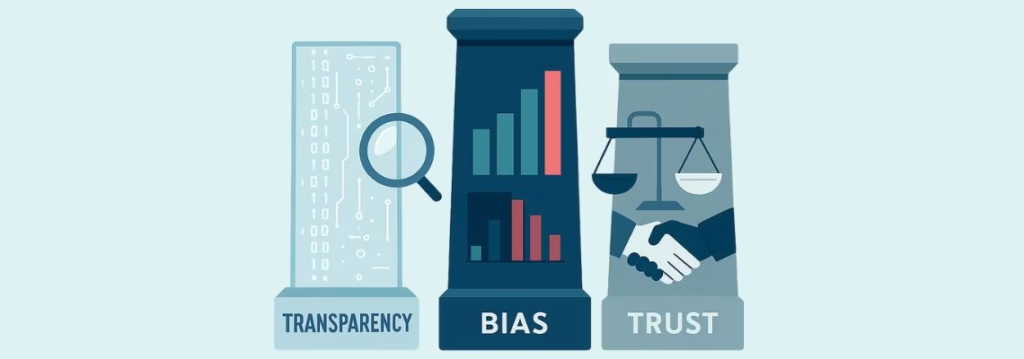
3 Pillars of Ethical AI
1. Transparency
- AI should be clear about how decisions are made.
- Users deserve to know what data is used and why, especially for medical, hiring, or financial tools.
- Much like transparent Website Development practices build user confidence, AI transparency ensures accountability.
2. Bias
- AI can reflect or amplify biases present in the data it’s trained on.
- If a system is fed only one perspective, it can make unfair or exclusionary decisions (e.g., job applications or loan approvals).
- Developers need to test and correct for bias.
3. Trust
- People must know when AI is used and that their information is safe.
- Trust grows when AI is explained simply, tested for fairness, and kept accountable.
For a deep dive into how AI transforms industries, see: The Evolution of Artificial Intelligence: Transforming Industries and Shaping the Future
How Is Ethical AI Built?
- Diverse development teams create more balanced, inclusive systems.
- Regular audits check for bias, privacy risks, and explainability.
- Clear guidelines: Companies set rules for how AI should be tested, used, and improved.
- Government and industry standards, like GDPR, help keep AI accountable.
- Collaboration across fields: Teams specializing in Digital Marketing, Graphic Design, and Video Editing work alongside AI developers to ensure tools serve diverse user needs and communicate clearly.

Examples in Real Life
- Social Media: AI recommends posts and friend suggestions. Are these always fair, or do they reinforce echo chambers?
- Healthcare: Diagnosis tools must be accurate for all patients, not just those in certain groups.
- Finance: AI in credit scoring or loan approvals. Are applicants judged fairly?
- Creative Industries: AI tools used in Graphic Design, Video Editing, and Website Design must respect copyright, attribution, and creative integrity while enhancing human work.
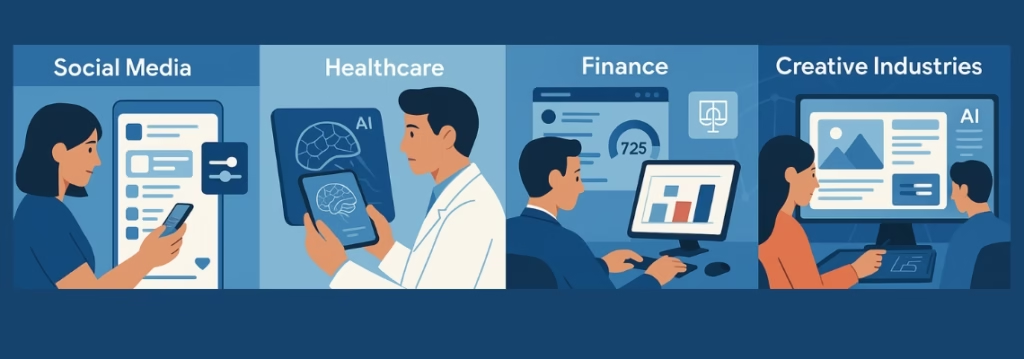
Table of Contents
Recent Posts
We’ve answered all your questions
Ethics in AI: Transparency, Bias, and Trust
What is "bias" in AI?
Bias happens when AI makes unfair decisions because the data it learned from isn’t balanced. Example: If facial recognition is trained mostly on one group, it may misidentify others.
How do I know if an AI system is ethical?
Look for companies that publish how their AI works, test for bias, and let users review or appeal decisions.
Can AI ever be "unbiased"?
Complete freedom from bias is difficult, but designers can work to minimize it with diverse data and regular testing.
Who sets rules for AI?
Governments and industry groups create privacy, fairness, and transparency rules. Companies also set their own standards.
Why does transparency matter?
Transparency helps users understand and challenge decisions. It builds trust and offers protection. For how humans and AI work together, visit: Human + AI: The Smart SEO Advantage