
Future of Digital Payments
- December 3, 2025
- Artificial Intelligence (AI), Blockchain, Security, Social Media Trends, Technology
Introduction
Digital payments have become part of daily life. From buying coffee with your phone to transferring money across the globe with a tap. But behind the scenes, new technologies, especially blockchain and cryptocurrencies, are transforming how these payments work. In 2026 and beyond, understanding digital payments isn’t just for techies. It’s essential for everyone, from businesses focused on Website Development to individuals managing personal finances.
What Are Digital Payments?

Digital payments include any transaction without cash or checks. They use apps, bank transfers, credit cards, mobile wallets, and online platforms. Their speed and ease have made them the preferred choice for individuals and businesses alike.
For more on trust and digital experience, see: Your Brand’s Blueprint: How Visual Identity Builds Immediate Digital Trust
How Blockchain Changes the Game
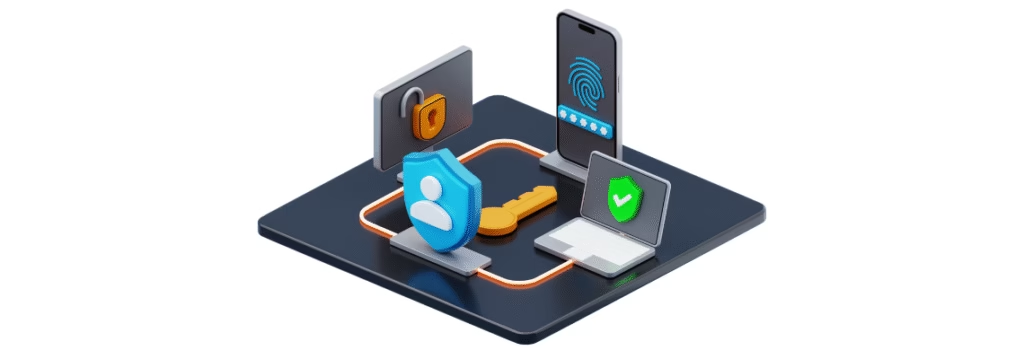
Blockchain is a system for recording transactions securely, transparently, and permanently. Every payment or transfer is saved as a “block,” and these blocks link together to form a “chain,” making fraud or tampering very difficult.
- No Middleman: Blockchain payments happen directly between users, often with lower fees.
- Speed and Trust: Transactions happen in real time and are recorded for everyone to see. This is especially useful for international payments.
Check out Blockchain Technology: Revolutionizing Trust, Security, and Transparency for an easy breakdown of how this works.

The Role of Cryptocurrencies
Cryptocurrencies like Bitcoin, Ethereum, and many others are digital assets built with blockchain. They can be used for purchases, investments, and quick global transfers without waiting for a bank.
- Everyday Use: More merchants accept crypto for coffee, gadgets, travel, and donations.
- Benefits: Fast, often private, and accessible anytime.
- Risks: Prices can change quickly, and not all companies or governments accept them.
Everyday Examples
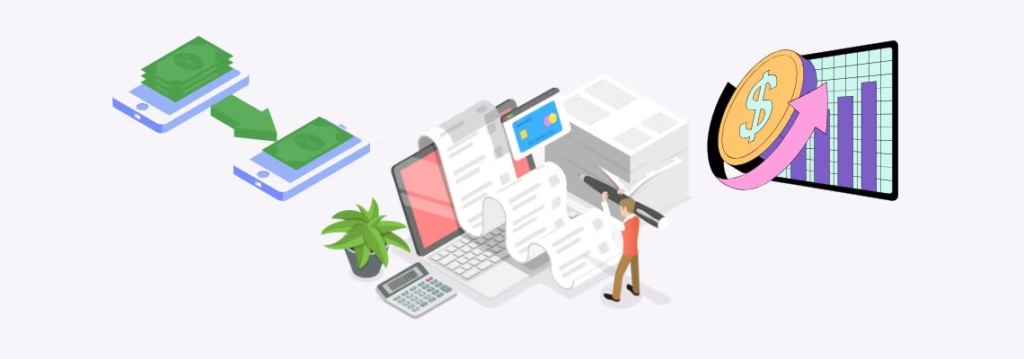
- Pay for groceries via Apple Pay or Google Pay, no cash needed.
- Send money to family in another country in seconds, with apps using blockchain for lower fees.
- Earn rewards points or make donations straight from your mobile wallet, sometimes as crypto!
- E-commerce businesses are integrating crypto payments alongside traditional options, just as they optimize Website Design and Search Engine Optimization to attract customers.
What's Next for Digital Payments?
- Contactless Everything: More stores and buses going cashless. Tap your phone, card, or smartwatch.
- DeFi (Decentralized Finance): Online tools for loans, savings, and investing, no bank required.
- Safer Payments: Improvements in authentication, fraud prevention, and privacy. Just as Website Speed Optimization enhances user experience for online shoppers, faster payment processing improves the checkout experience.
- Growing Digital Marketing Integration: Payment platforms now connect with Digital Marketing tools, allowing businesses to track conversions and customer behavior. Some even incorporate Video Editing and Graphic Design services directly into payment dashboards for seamless branding.
FAQs : Future of Digital Payments
Most platforms use strong security and encryption. Use password managers and two-factor authentication for extra safety.
Blockchain is a secure way to record transactions that anyone can verify but no one can secretly change. It reduces fraud and cuts out middlemen.
Yes! Many online stores and some local shops now accept Bitcoin, but it's always best to check first.
Not soon! However, digital payments will keep growing for speed and safety.